Kosi Bay Travel Guide

Stories & Tips from Kosi Bay

Guides, wildlife stories and practical tips to help you make the most of your time at Kosi Bay Mouth.

Best time to visit Kosi Bay

The Best Time to Visit Kosi Bay Mouth — A Complete Seasonal Guide

Kosi Bay is a year-round destination, but each season offers something different. Here's your complete guide to planning the perfect visit — whether you're chasing turtles, fishing, birding or just looking for the quietest beach on the South African coast.

November to March — Turtle Season

This is peak season at Kosi Bay Mouth — and for very good reason. Loggerhead and Leatherback sea turtles come ashore at night to lay their eggs on the beaches, and later in the season, tiny hatchlings make their frantic dash to the ocean. It's one of nature's most extraordinary spectacles.

  • Turtle tours run nightly from mid-November to mid-March
  • Book your accommodation well in advance — units fill months ahead
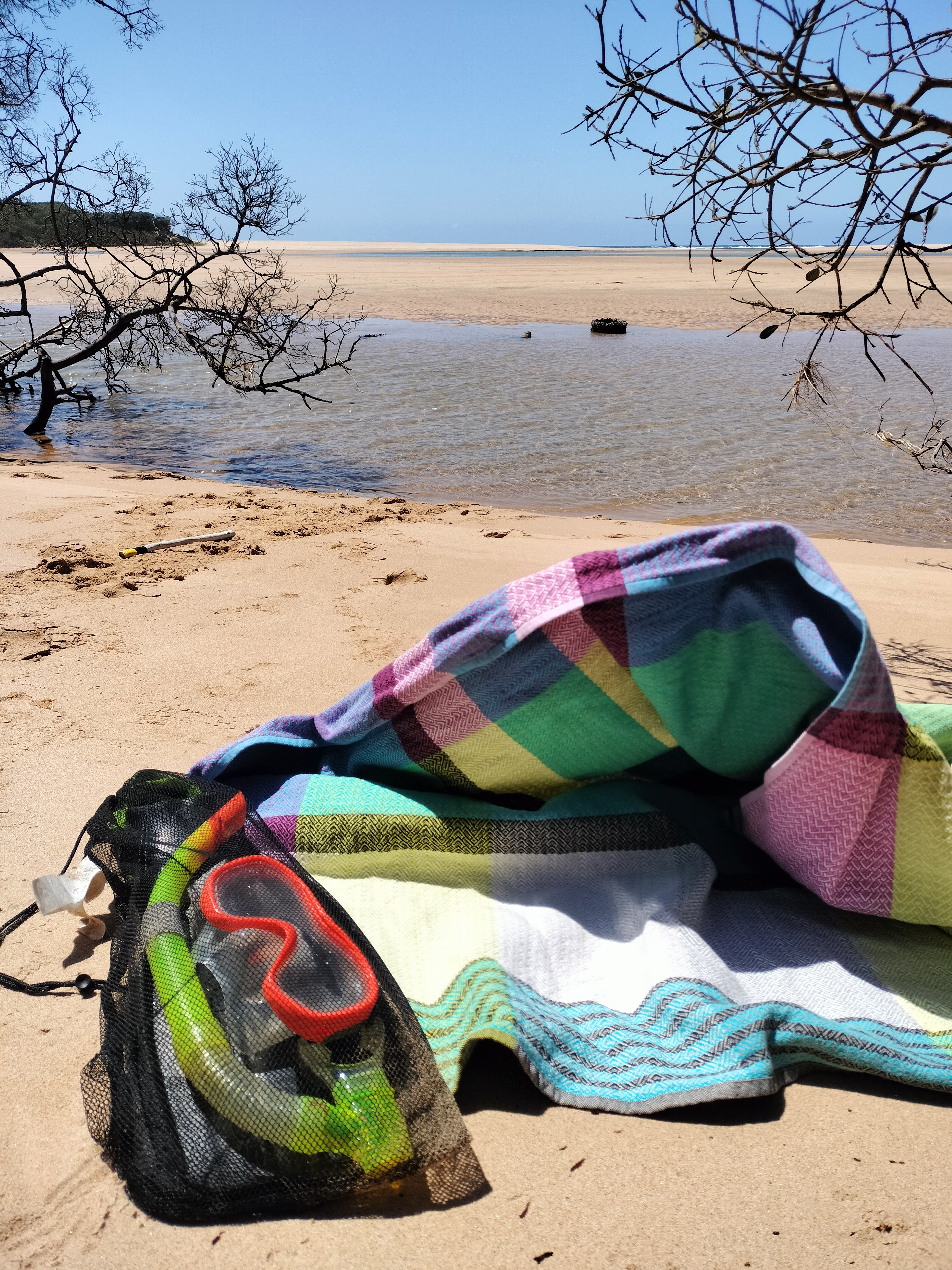
  • Water temperatures are warmest — ideal for snorkelling
  • Summer storms can occur but usually clear quickly

Turtle season is coming. Units at Amangwane fill up fast — especially November to January.

Check Availability Contact Us

April to June — The Sweet Spot

Our personal favourite time to visit. The summer crowds have gone, the weather is warm and dry, the water is still crystal clear from the summer rains, and you have the beach almost entirely to yourself. The birding is exceptional — migratory species are still around and resident birds are active.

July to September — Perfect Hiking & Birding

The cooler, drier months are ideal for long hikes and days on the water. The bush is drier and visibility is better for wildlife spotting. Fishing is excellent year-round but GT and Kingfish are particularly active in the warmer months.

October — Build-up Season

October is hot and the anticipation of turtle season begins. The first turtles sometimes appear in late October. Accommodation is still available and it's a great time to visit before the December rush.

What to Pack — Year Round Essentials

  • Reef-safe sunscreen (protect Kosi Bay's reefs)
  • Insect repellent — especially at dusk
  • Snorkelling mask and fins (or hire from reception)
  • A good headlamp for turtle tours and evening braais
  • Cash for activity bookings
  • Cooking gas & camp stoves are provided — electric kettles don't work
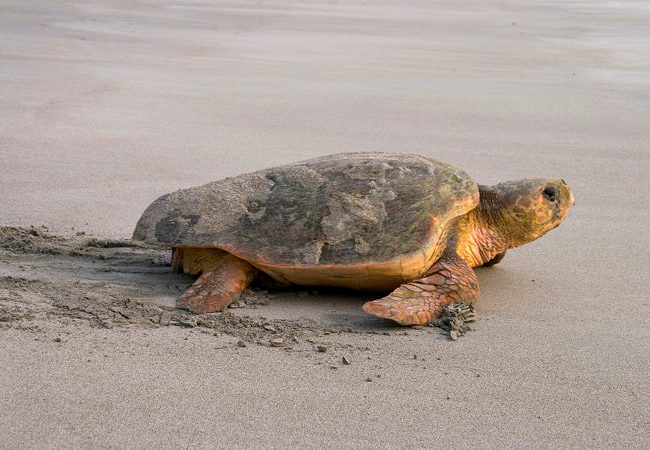
Loggerhead turtle nesting at Kosi Bay

Witnessing Turtle Season at Kosi Bay — What to Expect on a Turtle Tour

Every November, something remarkable happens on the beaches of Kosi Bay Mouth. Giant sea turtles — some weighing over 500kg — emerge from the ocean under the cover of darkness to lay their eggs on the same beach where they were born, decades before.

Two Species — Loggerhead and Leatherback

Loggerhead turtles are the more commonly seen of the two — recognised by their large, broad heads and reddish-brown shells. Leatherbacks are the largest sea turtles in the world — they can grow up to 2 metres long and weigh up to 900kg. Seeing a Leatherback emerge from the surf is an experience that stays with you forever.

Turtle season November–March. Stay at Amangwane and book turtle tours at Utshwayelo reception on arrival.

Book Your Stay Contact Us

What Happens on a Turtle Tour

Guided turtle tours depart at night from Amangwane camp. Your guide will lead you to locate nesting turtles so you spend maximum time watching and minimum time walking. Once a turtle is found, your guide will explain the nesting process as you watch quietly from a respectful distance.

Tips for Your Turtle Tour

  • Wear dark clothing — no white or bright colours
  • No phone torches or camera flashes — ever
  • Follow your guide's instructions at all times
  • Bring insect repellent and a red-filtered headlamp
  • Wear closed shoes — the beach sand is soft and you'll walk a distance
  • Book your tour at Utshwayelo reception the day before
3-Lake Boat Cruise Kosi Bay

Why the 3-Lake Boat Cruise is Kosi Bay's Must-Do Activity (and How to Book It)

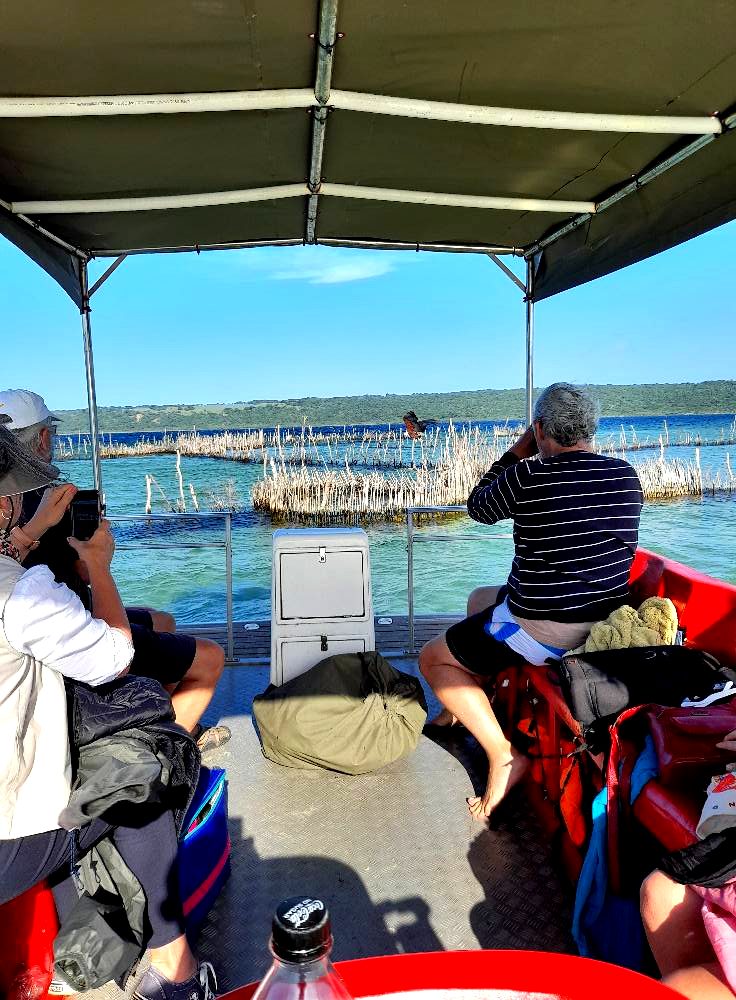
Ask any guest who has visited Kosi Bay what they'd recommend and the answer is almost always the same: do the boat cruise. The 3-Lake Boat Cruise on the Hleke Imvubu (Laughing Hippo) is the single best way to experience the extraordinary Kosi Bay lake system.

What Makes It So Special

The Kosi Bay system consists of four interconnected lakes, mangrove forests, reed beds and open estuary — all teeming with wildlife. On the boat you glide silently between towering raffia palms, past the ancient Thonga fish traps that have been worked for over 700 years, and through channels where hippos live alongside an extraordinary diversity of birdlife.

  • Hippos surfacing alongside the boat — often within metres
  • Fish Eagles calling overhead
  • 700-year-old Thonga fish kraals up close
  • Five different species of mangrove
  • Crystal-clear water over pristine sandbanks

Stay at Amangwane and book the boat cruise at reception on arrival — no pre-booking needed.

Book Your Stay Contact Us

How to Book

The boat cruise is bookable at Amangwane reception when you arrive. No need to arrange in advance. Departs in the mornings and takes approximately 3 hours. Bring sunscreen, a hat, water, and your camera.

UTsh
WAYelo
Sister Property

Utshwayelo Kosi Mouth Lodge & Camp

Visit Utshwayelo for more accommodation options at Kosi Mouth.

www.kosimouth.co.za →

How to Add Your Own Blog Posts to This Page

Adding a new blog post is simple — just copy the template below and paste it before this section in your blog.html file. Here's your step-by-step guide:

Step 1 — Open blog.html in a text editor

Download your blog.html file, open it in Notepad (Windows) or TextEdit (Mac). Press Ctrl+F and search for POST 4 to find this section.

Step 2 — Copy and paste this template above this section:

<article class="blog-post">
  <div class="post-meta">
    <span class="post-date">DD Month YYYY</span>
    <span class="post-cat cat-tips">Travel Tips</span>
  </div>
  <img class="post-img" src="YOUR-IMAGE-URL" alt="Description">
  <h2 class="post-title">Your Blog Post Title Here</h2>
  <div class="post-body">
    <p>Your opening paragraph here...</p>
    <h2>Section Heading</h2>
    <p>More content here...</p>
    <div class="post-cta-inline">
      <p><strong>Ready to visit?</strong> Book your stay at Amangwane.</p>
      <a href="#" onclick="InnStyle('amangwanetentedcamp');return false;" class="btn btn-sun">Book Now</a>
    </div>
  </div>
</article>

Step 3 — Change the category colour

Change cat-tips to one of these options:

  • cat-tips — yellow, for travel tips
  • cat-nature — blue, for wildlife stories
  • cat-camp — green, for camp news
  • cat-activities — orange, for activity guides

Step 4 — Upload the updated file to Xneelo

Save your file, log into cp.xneelo.co.za → File Manager → upload your updated blog.html — done!

💡 Blog post ideas to get you started:

  • "5 reasons to visit Kosi Bay before the school holiday rush"
  • "What to pack for a weekend at Kosi Bay — the complete list"
  • "Fishing at Kosi Bay — species, seasons and best spots"
  • "Why Amangwane is the perfect family camp"
  • "A first-timer's guide to snorkelling at the Kosi Aquarium"
  • "Kosi Bay vs Sodwana Bay — which should you visit?"
Get in Touch

Contact Amangwane

Have a question or want to make a group booking? Send us a message and we'll get back to you within 24 hours.

✉️
📱
WhatsApp / Call
Michael: 082 909 3113
📱

Send a message

Goes directly to amangwane@kosimouth.co.za

Sent directly to amangwane@kosimouth.co.za